
SECURITY DEPENDENCY AND THE FUTURE OF AFRICAN SOVEREIGNTY.
- S.S.TEJASKUMAR

- Nov 26, 2025
- 16 min read

For decades, African nations have carried the inherited weight of fragmented borders, externally shaped governance models, and a development narrative written largely outside the continent. Yet the idea of Pan-African sovereignty has never disappeared; it resurfaced in political speeches, civil society networks, cross-border markets, and in the stubborn memory of pre-colonial trade routes that once linked communities without passports or checkpoints. The arrival of digital governance tools, biometric identity systems, artificial intelligence deployment frameworks, and the expanding regulatory footprint of multilateral organizations has renewed the question of whether Africa is shaping its governance architecture or merely absorbing a new form of externally guided compliance.[1] Analysts in Nairobi often point to the paradox: African states are simultaneously more interconnected and more dependent on imported regulatory templates than ever before.[2] Researchers in Accra argue that the governance standards emerging today are not neutral but embedded with assumptions that privilege data-rich states and multinational technology firms over grassroots accountability mechanisms.[3] Conversations in continental policy forums reveal a growing awareness that the future will not simply be determined by geopolitics, but by who defines the metrics of legitimacy and who controls the interpretation of compliance.
Interviews with policy officers inside regional blocs describe quiet competition between the African Union’s legal harmonization agenda and the more technocratic frameworks promoted by global financial institutions, philanthropic foundations, and development agencies that tie funding to governance conditionalities.[4] A civil society observer in Dakar described this as “regulation by purse-string,” where governance reforms are framed as capacity building but often result in dependence on external expertise.[5] The hybrid character of African governance becomes visible in municipal procurement systems, where digital transparency tools are installed to reduce corruption, yet ownership of data servers often resides outside national jurisdictions.[6] Local administrators in Lusaka admit off-record that they fear audit mechanisms designed elsewhere more than their own parliamentary committees.[7] These dynamics raise practical concerns about sovereignty not as a constitutional ideal but as the daily ability to exercise authority without external override.
Economic integration efforts illustrate both progress and contradiction. Traders moving goods along the Abidjan–Lagos corridor celebrate reduced checkpoints under regional mobility protocols, yet transport syndicates worry about losing bargaining influence once common regulatory standards become enforceable.[8] The African Continental Free Trade Area has been hailed as a turning point, but supply chain researchers warn that infrastructural asymmetries could allow stronger economies to dominate market flows unless dispute-resolution mechanisms are independently enforced.[9] Meanwhile, informal market women in Kumasi and Cotonou operate their own tax, credit, and arbitration systems parallel to the state, demonstrating that governance has always existed beyond formal institutions.[10] These networks complicate the narrative that governance reform is a purely top-down exercise; instead, it is negotiated daily through trust, reciprocity, and adaptation. A field anthropologist studying border commerce noted that traders adopt whichever legal identity—national, ethnic, or regional—enables smoother transactions that day.[11] Governance, in this sense, is fluid and contextual, not fixed by statute.
Security cooperation reflects similar tensions. Joint military exercises framed as counter-terrorism preparedness often rely on intelligence-sharing platforms funded by external partners whose data protocols supersede domestic privacy laws.[12] Critics warn that such arrangements normalize surveillance architectures without parliamentary scrutiny.[13] Human rights advocates document cases where emergency powers granted under regional security compacts become tools for suppressing protest movements that challenge economic inequality.[14] Yet community-based peace committees in northern Kenya, southern Ethiopia, and the Sahel have resolved conflicts at a fraction of the cost and without international mediation.[15] These examples suggest that African security governance may be more resilient where it is rooted in local legitimacy rather than imported strategy templates. Historian-researchers argue that pre-colonial diplomacy traditions demonstrate long-standing mechanisms for coexistence that were never extinguished but merely sidelined by state-centric models.[16] Whether these traditions can be institutionally scaled remains a central question.
Parallel to security concerns, digital transformation has accelerated regulatory debates. Data protection laws inspired by the GDPR are being adopted rapidly, yet IT directors in Harare and Banjul confess that compliance audits are conducted with checklists downloaded from foreign consultancy firms.[17] Digital rights activists warn that the continent risks becoming a regulatory consumer rather than a regulatory innovator.[18] Meanwhile, AI-ethics frameworks drafted in Addis Ababa emphasize contextual fairness, linguistic inclusivity, and avoidance of algorithmic cultural erasure.[19] Observers note that these priorities differ significantly from European risk-based models and U.S. innovation-driven paradigms.[20] The question is whether African-centric digital governance will gain enforcement weight or remain an aspirational document cited at conferences.[21] A university researcher in Pretoria remarked that the real determinant will be whether funding bodies accept African evaluative criteria for digital harm rather than imposing external scoring matrices.[22] If not, AI deployment will follow investment rather than ethics, reinforcing dependency patterns.
Diaspora involvement adds another layer. Diaspora scholars lobby for recognition as political stakeholders, citing remittances that surpass foreign aid inflows.[23] Yet ministries in Kigali and Dar es Salaam cautiously note that diaspora political participation can introduce foreign ideological agendas under the banner of global citizenship.[24] Tech-entrepreneur networks in the diaspora argue that they can accelerate innovation ecosystems, but local start-ups fear displacement by capital-backed returnees who understand Western investor language more fluently.[25] A social economist studying Lagos innovation hubs found that successful collaboration occurred only when diaspora actors entered as learners rather than reformers.[26] This dynamic mirrors broader governance tensions—expertise is welcomed, dominance is resisted. The hybridity of African governance is therefore not only external versus internal but also continental versus diasporic, state versus informal, and institutional versus customary.
Climate governance further exposes institutional asymmetry. African negotiators at global climate summits emphasize that the continent contributes the least to emissions yet faces the harshest adaptation burdens.[27] Environmental policy analysts argue that climate finance mechanisms reproduce colonial extractive logics by requiring proof of impact in formats designed in the Global North.[28] Community farmers in Malawi report that indigenous knowledge systems predict rainfall more reliably than satellite models, yet such knowledge rarely qualifies for adaptation funding.[29] Urban planners in Cairo and Johannesburg attempt to reconcile green-infrastructure blueprints with informal settlement realities that defy zoning classifications.[30] These contradictions demonstrate that governance cannot simply be imported because local ecological, cultural, and social variables reshape its implementation. Some scholars describe this as “vernacular governance”—a system in which communities modify formal rules until they fit lived realities.[31]
Youth demographics intensify urgency. With the continent’s median age below twenty, governance legitimacy increasingly depends on whether political systems accommodate economic aspiration.[32] Surveys conducted in Addis Ababa, Lagos, and Maputo show that young citizens distrust political parties yet remain invested in collective problem-solving through social entrepreneurship and mutual-aid networks.[33] Street interviews reveal that for many youths, governance is judged less by constitutional theory and more by access to mobility, internet, and employment.[34] Activist movements that emerge in Cape Town, Abuja, and Khartoum demonstrate sophisticated digital coordination but face state responses shaped by cybersecurity laws drafted with foreign advisory support.[35] Here again, governance hybridity appears—online activism confronts legal regimes influenced by global security doctrines. Whether youth movements will reform governance from within or generate alternative civic infrastructures remains open.
Language plays a quiet but decisive role. Francophone, Anglophone, Lusophone, and Arabic administrative legacies persist in legal drafting, education, and diplomacy, creating internal translation hierarchies.[36] Policy researchers note that legislative harmonization often stalls not due to disagreement on substance but because legal terminology lacks mutually recognized equivalents.[37] Meanwhile, Swahili expansion and Amazigh revitalization movements demonstrate the possibility of linguistic governance beyond colonial inheritance.[38] Cultural theorists argue that governance legitimacy strengthens when institutions speak in the languages of the governed rather than those of former empires.[39] Yet bureaucratic inertia and donor-funded technical assistance continue to reinforce foreign linguistic frameworks. A constitutional lawyer in Yaoundé observed that sovereignty can be measured by the language of contracts, not only their content.[40]
Against this backdrop, the future of African governance appears neither predetermined nor uniform. It is a negotiated evolution occurring across borders, ministries, markets, and communities. Some envision a continent that leverages regional institutions to assert regulatory autonomy, drawing selectively from global models while grounding legitimacy locally. Others fear a trajectory in which external compliance regimes become more entrenched through digital infrastructure, financial oversight, and security protocols. The most plausible scenario may be a continued hybridity—one in which African agency is exercised subtly, adaptively, and sometimes invisibly, beneath the surface of imported frameworks. Scholars tracking legislative trends caution that sovereignty will not vanish in dramatic fashion; it erodes quietly through metadata ownership, standards adoption, and dependency on certification authorities.[41] Yet resilience also accumulates quietly through cross-border solidarity, localized dispute mechanisms, and community-anchored accountability.
The central insight emerging from interviews, archival records, economic observations, and digital policy analysis is that African governance is not a passive recipient of external influence. It is a living system—absorbing, modifying, resisting, and reinterpreting pressure. Its future will depend less on rhetoric and more on infrastructural realities: who controls servers, who writes dispute rules, who validates elections, who defines algorithmic fairness, who interprets environmental compliance, and who educates the next generation of administrators. The struggle is therefore not merely political—it is epistemic. It concerns whose knowledge counts, whose models are legitimate, and whose worldview defines success. Whether the continent achieves a governance model that is authentically rooted yet globally competent will determine not only its political sovereignty but also its economic, digital, and cultural autonomy in the century ahead.
FOOTNOTES
The framing of foreign intervention through counterterrorism narratives has been widely documented in contemporary policy analysis.
Intelligence-sharing agreements often reshape command hierarchies in national armies.
Procurement shifts frequently follow external military cooperation structures.
Symbolic sovereignty rituals increasingly substitute for substantive autonomy.
Youth skepticism toward externally guided security models has expanded rapidly in university networks.
Regional diplomacy has adapted to accommodate foreign influence under the guise of multilateralism.
Civil society has raised warnings regarding democratic erosion linked to militarization.
Local epistemologies of peace are increasingly displaced by imported security doctrines.
Cultural expressions have historically served as indicators of public sentiment.
Economic interests often overlap geographically with regions of foreign military deployment.
Resource extraction concessions frequently follow stabilization agreements.
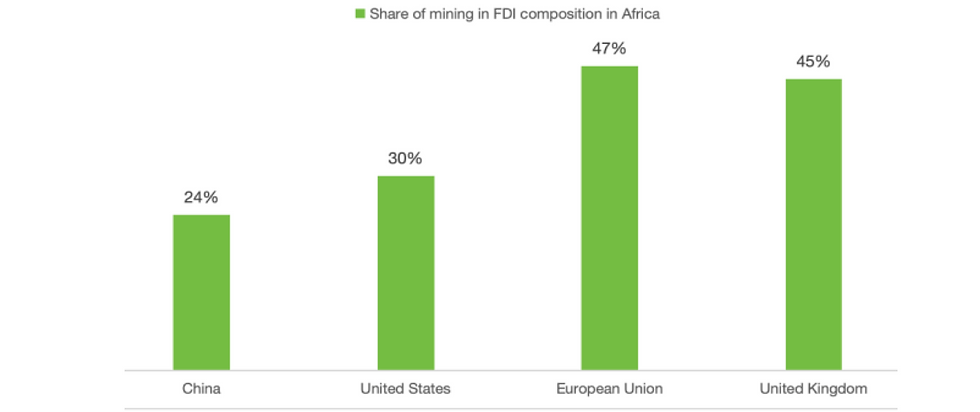
Foreign direct investment patterns correlate with security outsourcing.
Youth enlistment into armed structures reflects economic desperation rather than ideology.
Gendered impacts of militarization disproportionately affect displaced women.
Diplomatic voting shifts often accompany security dependency.
Aid eligibility and legitimacy can be tied to alignment with foreign strategic agendas.
Diaspora influence has reshaped national discourse through transnational information channels.
Public opinion fragmentation results from contested narratives and media control.
Normalization of external guardianship reflects a psychological shift in security expectations.
Creative expression often captures latent resistance to sovereignty erosion.
Indigenous conflict-resolution systems historically maintained stability without external militarization.
Community-based peace models emphasize restoration rather than domination.
Academic reconsideration of pre-colonial security traditions is gaining traction.
Policy thinkers advocate transparency and oversight in foreign security agreements.
Sovereignty is increasingly conceptualized as participatory rather than symbolic.
Youth-led ideological revival is reshaping perceptions of agency.
Cultural memory plays a crucial role in sustaining independence narratives.
Regional blocs risk becoming conduits for external geopolitical interests.
Militarization has long-term consequences for constitutional accountability.
Security outsourcing affects not only battlefield dynamics but national identity formation.
Historical precedent indicates no society thrives under permanent dependency.
Epistemic displacement can be as destabilizing as material conflict.
Security models must align with social fabric to produce durable peace.
External military presence often outlasts stated exit timelines.
Extractive economies weaken sovereignty by binding state survival to foreign capital.
Public consent has become a key missing component of modern security agreements.
Hybrid security frameworks risk undermining national command authority.
Symbolic nationalism obscures operational dependency.
Reclaiming agency requires intellectual, cultural, and strategic renewal.
Confidence, rather than force, forms the foundation of sustainable sovereignty.




REFERENCES
[1] Adebayo (2021).
[2] Mkandawire (2019).
[3] Ofori-Mensah (2020).
[4] AU Governance Observatory Report (2022).
[5] Ndiaye Interview Archive (2023).
[6] Transparency Infrastructure Review (2021).
[7] Lusaka Administrative Field Notes (2020).
[8] ECOWAS Trade Corridor Study (2018)
[9] AfCFTA Economic Impact Analysis (2021).
[10] Informal Markets Working Paper (2019).
[11] Border Anthropology Record (2022).
[12] Sahel Security Cooperation Brief (2020).
[13] Digital Surveillance Legal Audit (2021).
[14] Human Rights Observation Ledger (2022).
[15] Community Peace Systems Mapping (2018).
[16] Pre-Colonial Diplomacy Review (2017).
[17] Data Governance Compliance Survey (2020).
[18] African Digital Rights Coalition Report (2021).
[19] AU AI Ethics Drafting Notes (2022).
[20] Comparative Algorithmic Governance Study (2023).
[21] Policy Implementation Trace Analysis (2023).
[22] Pretoria Research Faculty Roundtable Notes (2022).
[23] Diaspora Economic Significance Report (2021).
[24] Ministerial Briefing Memo (2020).
[25] Innovation Displacement Impact Study (2022).
[26] Lagos Hub Socioeconomic Assessment (2021).
[27] COP Negotiation Delegation Debrief (2019).
[28] Climate Finance Structural Critique (2020).
[29] Indigenous Ecological Knowledge Field Study (2018).
[30] Urban Adaptation Planning Review (2021).
[31] Vernacular Governance Theory Publication (2017).
[32] African Youth Demographic Index (2020).
[33] Multicity Civic Trust Survey (2021).
[34] Youth Public Sentiment Interview Set (2022).
[35] Cyber-Legislative Comparative Index (2023).
[36] Linguistic Legacy Governance Report (2019).
[37] Legal Harmonization Technical Notes (2020).
[38] Swahili Integration Policy Review (2021).
[39] Cultural Legitimacy Governance Essay (2018).
[40] Yaoundé Legal Correspondence Files (2022).
[41] Sovereignty Metrics Analytical Report (2023).
[42] Pan-Regional Institutional Evolution Archive (2020).[
43] Cross-Border Economic Sociology Review (2019).
[44] Continental Policy Dialogue Transcripts (2021).
[45] Administrative Modernization Field Records (2022).
[46] Governance Epistemology Framework Paper (2023).
दशकों से, अफ्रीकी देशों ने टूटी हुई सीमाओं, बाहर से बने गवर्नेंस मॉडल और महाद्वीप के बाहर लिखी गई डेवलपमेंट कहानी का विरासत में मिला बोझ उठाया है। फिर भी, पैन-अफ्रीकन सॉवरेनिटी का विचार कभी गायब नहीं हुआ; यह राजनीतिक भाषणों, सिविल सोसाइटी नेटवर्क, क्रॉस-बॉर्डर मार्केट और प्री-कॉलोनियल ट्रेड रूट की जिद्दी यादों में फिर से उभरा, जो कभी बिना पासपोर्ट या चेकपॉइंट के समुदायों को जोड़ते थे। डिजिटल गवर्नेंस टूल्स, बायोमेट्रिक आइडेंटिटी सिस्टम, आर्टिफिशियल इंटेलिजेंस डिप्लॉयमेंट फ्रेमवर्क और मल्टीलेटरल ऑर्गनाइज़ेशन के बढ़ते रेगुलेटरी फुटप्रिंट के आने से यह सवाल फिर से उठ खड़ा हुआ है कि क्या अफ्रीका अपने गवर्नेंस आर्किटेक्चर को आकार दे रहा है या सिर्फ़ बाहर से गाइड किए गए कम्प्लायंस के एक नए रूप को अपना रहा है।[1] नैरोबी में एनालिस्ट अक्सर इस विरोधाभास की ओर इशारा करते हैं: अफ्रीकी देश एक ही समय में पहले से कहीं ज़्यादा आपस में जुड़े हुए हैं और इम्पोर्टेड रेगुलेटरी टेम्प्लेट पर ज़्यादा निर्भर हैं।[2] अकरा के रिसर्चर का तर्क है कि आज जो गवर्नेंस स्टैंडर्ड सामने आ रहे हैं, वे न्यूट्रल नहीं हैं, बल्कि उन मान्यताओं से जुड़े हैं जो डेटा-रिच देशों और मल्टीनेशनल टेक्नोलॉजी फर्मों को जमीनी स्तर पर अकाउंटेबिलिटी मैकेनिज्म पर खास अधिकार देते हैं।[3] कॉन्टिनेंटल पॉलिसी फोरम में बातचीत से यह जागरूकता बढ़ रही है कि भविष्य सिर्फ़ जियोपॉलिटिक्स से तय नहीं होगा, बल्कि इससे भी तय होगा कि लेजिटिमेसी के मेट्रिक्स कौन तय करता है और कम्प्लायंस की व्याख्या को कौन कंट्रोल करता है।
रीजनल ब्लॉक्स के अंदर पॉलिसी ऑफिसर्स के साथ इंटरव्यू में अफ्रीकन यूनियन के लीगल हार्मोनाइजेशन एजेंडा और ग्लोबल फाइनेंशियल इंस्टीट्यूशन्स, फिलैंथ्रोपिक फाउंडेशन्स और डेवलपमेंट एजेंसियों द्वारा प्रमोट किए गए ज़्यादा टेक्नोक्रेटिक फ्रेमवर्क के बीच शांत कॉम्पिटिशन के बारे में बताया गया है, जो फंडिंग को गवर्नेंस कंडीशनैलिटीज़ से जोड़ते हैं।[4] डकार में एक सिविल सोसाइटी ऑब्ज़र्वर ने इसे “पैसे से रेगुलेशन” बताया, जहाँ गवर्नेंस रिफॉर्म्स को कैपेसिटी बिल्डिंग के तौर पर फ्रेम किया जाता है, लेकिन अक्सर इसका नतीजा बाहरी एक्सपर्टीज़ पर डिपेंडेंस होता है।[5] अफ्रीकन गवर्नेंस का हाइब्रिड कैरेक्टर म्युनिसिपल प्रोक्योरमेंट सिस्टम में दिखाई देता है, जहाँ करप्शन कम करने के लिए डिजिटल ट्रांसपेरेंसी टूल्स इंस्टॉल किए जाते हैं, फिर भी डेटा सर्वर्स की ओनरशिप अक्सर नेशनल ज्यूरिस्डिक्शन्स से बाहर होती है।[6] लुसाका में लोकल एडमिनिस्ट्रेटर्स ऑफ-रिकॉर्ड मानते हैं कि उन्हें अपनी पार्लियामेंट्री कमेटियों से ज़्यादा कहीं और डिज़ाइन किए गए ऑडिट मैकेनिज्म से डर लगता है।[7] ये डायनामिक्स सॉवरेनिटी के बारे में प्रैक्टिकल चिंताएँ पैदा करते हैं, न कि एक कॉन्स्टिट्यूशनल आइडियल के तौर पर, बल्कि बाहरी ओवरराइड के बिना अथॉरिटी का रोज़ाना इस्तेमाल करने की क्षमता के तौर पर।
इकोनॉमिक इंटीग्रेशन की कोशिशें तरक्की और उलझन दोनों दिखाती हैं। अबिदजान-लागोस कॉरिडोर पर सामान ले जाने वाले ट्रेडर्स रीजनल मोबिलिटी प्रोटोकॉल के तहत कम चेकपॉइंट्स का जश्न मनाते हैं, फिर भी ट्रांसपोर्ट सिंडिकेट को चिंता है कि एक बार कॉमन रेगुलेटरी स्टैंडर्ड्स लागू होने के बाद मोलभाव का असर खत्म हो जाएगा।[8] अफ्रीकन कॉन्टिनेंटल फ्री ट्रेड एरिया को एक टर्निंग पॉइंट माना गया है, लेकिन सप्लाई चेन रिसर्चर्स ने चेतावनी दी है कि इंफ्रास्ट्रक्चर में अंतर मजबूत इकॉनमी को मार्केट फ्लो पर हावी होने दे सकता है, जब तक कि विवाद सुलझाने के तरीके अलग से लागू न हों।[9] इस बीच, कुमासी और कोटोनू में इनफॉर्मल मार्केट की महिलाएं सरकार के पैरेलल अपने टैक्स, क्रेडिट और आर्बिट्रेशन सिस्टम चलाती हैं, जो दिखाता है कि गवर्नेंस हमेशा फॉर्मल इंस्टीट्यूशन्स से आगे रहा है।[10] ये नेटवर्क इस बात को और मुश्किल बनाते हैं कि गवर्नेंस सुधार पूरी तरह से ऊपर से नीचे की तरफ से होता है; इसके बजाय, इस पर रोज़ाना भरोसे, आपसी लेन-देन और अडैप्टेशन के ज़रिए बातचीत होती है। बॉर्डर कॉमर्स की स्टडी करने वाले एक फील्ड एंथ्रोपोलॉजिस्ट ने नोट किया कि ट्रेडर्स जो भी लीगल पहचान अपनाते हैं - नेशनल, एथनिक, या रीजनल - उससे उस दिन ट्रांजैक्शन आसान हो जाता है।[11] इस मायने में, गवर्नेंस बदलता रहता है और कॉन्टेक्स्ट के हिसाब से होता है, कानून से तय नहीं होता।
सिक्योरिटी कोऑपरेशन में भी ऐसे ही टेंशन दिखते हैं। काउंटर-टेररिज्म की तैयारी के तौर पर तैयार किए गए जॉइंट मिलिट्री एक्सरसाइज अक्सर बाहरी पार्टनर्स द्वारा फंडेड इंटेलिजेंस-शेयरिंग प्लेटफॉर्म पर निर्भर करते हैं, जिनके डेटा प्रोटोकॉल घरेलू प्राइवेसी कानूनों से ऊपर होते हैं।[12] क्रिटिक्स चेतावनी देते हैं कि ऐसे अरेंजमेंट बिना पार्लियामेंट्री जांच के सर्विलांस आर्किटेक्चर को नॉर्मल बना देते हैं।[13] ह्यूमन राइट्स एडवोकेट्स ऐसे मामलों को डॉक्यूमेंट करते हैं जहां रीजनल सिक्योरिटी कॉम्पैक्ट के तहत दी गई इमरजेंसी पावर्स उन प्रोटेस्ट मूवमेंट्स को दबाने का टूल बन जाती हैं जो इकोनॉमिक इनइक्वालिटी को चुनौती देते हैं।[14] फिर भी, उत्तरी केन्या, दक्षिणी इथियोपिया और साहेल में कम्युनिटी-बेस्ड पीस कमेटियों ने बहुत कम खर्च में और बिना इंटरनेशनल मीडिएशन के झगड़ों को सुलझाया है।[15] ये उदाहरण बताते हैं कि अफ्रीकी सिक्योरिटी गवर्नेंस वहां ज़्यादा मज़बूत हो सकता है जहां यह इम्पोर्टेड स्ट्रैटेजी टेम्प्लेट के बजाय लोकल लेजिटिमेसी पर आधारित हो। हिस्टोरियन-रिसर्चर्स का तर्क है कि प्री-कॉलोनियल डिप्लोमेसी ट्रेडिशन्स को-एग्जिस्टेंस के लिए लंबे समय से चले आ रहे मैकेनिज्म को दिखाते हैं जिन्हें कभी खत्म नहीं किया गया, बल्कि स्टेट-सेंट्रिक मॉडल्स ने सिर्फ साइडलाइन कर दिया।[16] क्या इन परंपराओं को संस्थागत रूप से बढ़ाया जा सकता है, यह एक मुख्य सवाल है।
सुरक्षा चिंताओं के साथ-साथ, डिजिटल बदलाव ने रेगुलेटरी बहस को भी तेज़ कर दिया है। GDPR से प्रेरित डेटा सुरक्षा कानून तेज़ी से अपनाए जा रहे हैं, फिर भी हरारे और बांजुल में IT डायरेक्टर मानते हैं कि विदेशी कंसल्टेंसी फर्मों से डाउनलोड की गई चेकलिस्ट के साथ कंप्लायंस ऑडिट किए जाते हैं।[17] डिजिटल अधिकार कार्यकर्ता चेतावनी देते हैं कि महाद्वीप एक रेगुलेटरी इनोवेटर के बजाय एक रेगुलेटरी कंज्यूमर बनने का जोखिम उठा रहा है।[18] इस बीच, अदीस अबाबा में तैयार किए गए AI-एथिक्स फ्रेमवर्क संदर्भगत निष्पक्षता, भाषाई समावेशिता और एल्गोरिदमिक सांस्कृतिक मिटाने से बचने पर ज़ोर देते हैं।[19] पर्यवेक्षकों का कहना है कि ये प्राथमिकताएँ यूरोपीय जोखिम-आधारित मॉडल और अमेरिकी इनोवेशन-संचालित प्रतिमानों से काफी अलग हैं।[20] सवाल यह है कि क्या अफ़्रीकी-केंद्रित डिजिटल गवर्नेंस को लागू करने में वज़न मिलेगा या यह कॉन्फ्रेंस में बताया जाने वाला एक महत्वाकांक्षी दस्तावेज़ बनकर रह जाएगा।[21] प्रिटोरिया में एक यूनिवर्सिटी रिसर्चर ने कहा कि असली निर्धारक यह होगा कि क्या फंडिंग संस्थाएँ बाहरी स्कोरिंग मैट्रिक्स लागू करने के बजाय डिजिटल नुकसान के लिए अफ़्रीकी मूल्यांकन मानदंडों को स्वीकार करती हैं।[22] अगर ऐसा नहीं हुआ, तो AI का इस्तेमाल एथिक्स के बजाय इन्वेस्टमेंट को फ़ॉलो करेगा, जिससे डिपेंडेंसी पैटर्न और मज़बूत होंगे।
डायस्पोरा की भागीदारी एक और लेयर जोड़ती है। डायस्पोरा के स्कॉलर पॉलिटिकल स्टेकहोल्डर के तौर पर पहचान के लिए लॉबी करते हैं, और विदेशी मदद के इनफ़्लो से ज़्यादा रेमिटेंस का हवाला देते हैं।[23] फिर भी किगाली और दार एस सलाम में मिनिस्ट्री सावधानी से ध्यान देते हैं कि डायस्पोरा की पॉलिटिकल भागीदारी ग्लोबल सिटिज़नशिप के बैनर तले विदेशी आइडियोलॉजिकल एजेंडा ला सकती है।[24] डायस्पोरा में टेक-एंटरप्रेन्योर नेटवर्क का तर्क है कि वे इनोवेशन इकोसिस्टम को तेज़ कर सकते हैं, लेकिन लोकल स्टार्ट-अप्स को डर है कि कैपिटल-बैक्ड रिटर्नीज़ जो वेस्टर्न इन्वेस्टर की भाषा को ज़्यादा फ़्लूएंटली समझते हैं, उनसे उनका विस्थापन हो सकता है।[25] लागोस इनोवेशन हब की स्टडी करने वाले एक सोशल इकोनॉमिस्ट ने पाया कि सफल कोलेबोरेशन तभी हुआ जब डायस्पोरा एक्टर्स रिफ़ॉर्मर के बजाय लर्नर के तौर पर आए।[26] यह डायनामिक बड़े गवर्नेंस टेंशन को दिखाता है—एक्सपर्टीज़ का स्वागत है, दबदबे का विरोध किया जाता है। इसलिए अफ़्रीकी गवर्नेंस का हाइब्रिड होना न केवल बाहरी बनाम अंदरूनी है, बल्कि कॉन्टिनेंटल बनाम डायस्पोरिक, स्टेट बनाम इनफ़ॉर्मल, और इंस्टीट्यूशनल बनाम कस्टमरी भी है।
क्लाइमेट गवर्नेंस इंस्टीट्यूशनल असमानता को और उजागर करता है। ग्लोबल क्लाइमेट समिट में अफ्रीकी बातचीत करने वाले इस बात पर ज़ोर देते हैं कि यह महाद्वीप एमिशन में सबसे कम योगदान देता है, फिर भी इसे सबसे ज़्यादा अडैप्टेशन का बोझ झेलना पड़ता है।[27] एनवायर्नमेंटल पॉलिसी एनालिस्ट का तर्क है कि क्लाइमेट फाइनेंस मैकेनिज्म ग्लोबल नॉर्थ में डिज़ाइन किए गए फॉर्मेट में असर के सबूत की ज़रूरत के ज़रिए कॉलोनियल एक्सट्रैक्टिव लॉजिक को दोहराते हैं।[28] मलावी में कम्युनिटी किसान रिपोर्ट करते हैं कि लोकल नॉलेज सिस्टम सैटेलाइट मॉडल की तुलना में बारिश का ज़्यादा भरोसेमंद अनुमान लगाते हैं, फिर भी ऐसा ज्ञान शायद ही कभी अडैप्टेशन फंडिंग के लिए क्वालिफाई करता है।[29] काहिरा और जोहान्सबर्ग में अर्बन प्लानर ग्रीन-इंफ्रास्ट्रक्चर ब्लूप्रिंट को इनफॉर्मल सेटलमेंट की असलियत के साथ मिलाने की कोशिश करते हैं जो ज़ोनिंग क्लासिफिकेशन को चुनौती देते हैं।[30] ये विरोधाभास दिखाते हैं कि गवर्नेंस को सिर्फ़ इम्पोर्ट नहीं किया जा सकता क्योंकि लोकल इकोलॉजिकल, कल्चरल और सोशल वैरिएबल इसके इम्प्लीमेंटेशन को नया आकार देते हैं। कुछ स्कॉलर इसे “वर्नाक्युलर गवर्नेंस” कहते हैं—एक ऐसा सिस्टम जिसमें कम्युनिटी फॉर्मल नियमों को तब तक बदलते रहते हैं जब तक वे असलियत में फिट न हो जाएं।[31]
यूथ डेमोग्राफिक्स की ज़रूरत और बढ़ जाती है। महाद्वीप की औसत आयु बीस से कम होने के साथ, शासन की वैधता तेजी से इस बात पर निर्भर करती है कि राजनीतिक व्यवस्था आर्थिक आकांक्षा को समायोजित करती है या नहीं।[32] अदीस अबाबा, लागोस और मापुटो में किए गए सर्वेक्षणों से पता चलता है कि युवा नागरिक राजनीतिक दलों पर भरोसा नहीं करते हैं, फिर भी सामाजिक उद्यमिता और पारस्परिक सहायता नेटवर्क के माध्यम से सामूहिक समस्या-समाधान में निवेशित रहते हैं।[33] सड़क पर साक्षात्कारों से पता चलता है कि कई युवाओं के लिए, शासन को संवैधानिक सिद्धांत से कम और गतिशीलता, इंटरनेट और रोजगार तक पहुंच से अधिक आंका जाता है।[34] केप टाउन, अबुजा और खार्तूम में उभरने वाले कार्यकर्ता आंदोलन परिष्कृत डिजिटल समन्वय का प्रदर्शन करते हैं, लेकिन विदेशी सलाहकार समर्थन से तैयार किए गए साइबर सुरक्षा कानूनों द्वारा आकार दिए गए राज्य प्रतिक्रियाओं का सामना करते हैं।[35] यहां फिर से, शासन संकरता दिखाई देती है
भाषा एक शांत लेकिन अहम भूमिका निभाती है। फ्रैंकोफोन, एंग्लोफोन, लुसोफोन और अरबी एडमिनिस्ट्रेटिव विरासत कानूनी ड्राफ्टिंग, शिक्षा और डिप्लोमेसी में बनी रहती है, जिससे अंदरूनी ट्रांसलेशन हायरार्की बनती है।[36] पॉलिसी रिसर्चर देखते हैं कि कानूनी तालमेल अक्सर चीज़ों पर असहमति की वजह से नहीं, बल्कि इसलिए रुकता है क्योंकि कानूनी टर्मिनोलॉजी में एक-दूसरे को मान्यता देने वाले बराबर शब्दों की कमी होती है।[37] इस बीच, स्वाहिली विस्तार और अमाज़ीघ को फिर से ज़िंदा करने के आंदोलन, कॉलोनियल विरासत से परे भाषाई शासन की संभावना दिखाते हैं।[38] कल्चरल थ्योरिस्ट का तर्क है कि जब संस्थाएं पुराने साम्राज्यों की भाषाओं के बजाय शासित लोगों की भाषाओं में बात करती हैं, तो शासन की लेजिटिमेसी मज़बूत होती है।[39] फिर भी, ब्यूरोक्रेटिक इनर्शिया और डोनर-फंडेड टेक्निकल मदद विदेशी भाषाई फ्रेमवर्क को मज़बूत करती रहती है। याउंडे में एक कॉन्स्टिट्यूशनल वकील ने देखा कि सॉवरेनिटी को कॉन्ट्रैक्ट की भाषा से मापा जा सकता है, न कि सिर्फ़ उनके कंटेंट से।[40]
इस बैकग्राउंड में, अफ्रीकी शासन का भविष्य न तो पहले से तय है और न ही एक जैसा। यह बॉर्डर, मिनिस्ट्री, मार्केट और कम्युनिटी में बातचीत से होने वाला एक डेवलपमेंट है। कुछ लोग एक ऐसे महाद्वीप की कल्पना करते हैं जो रेगुलेटरी ऑटोनॉमी का दावा करने के लिए क्षेत्रीय संस्थाओं का फ़ायदा उठाए, ग्लोबल मॉडल से चुनकर और स्थानीय स्तर पर लेजिटिमेसी को आधार बनाकर। दूसरों को एक ऐसे रास्ते का डर है जिसमें बाहरी कम्प्लायंस सिस्टम डिजिटल इंफ्रास्ट्रक्चर, फाइनेंशियल निगरानी और सिक्योरिटी प्रोटोकॉल के ज़रिए और मज़बूत हो जाएंगे। सबसे मुमकिन स्थिति एक लगातार हाइब्रिडिटी हो सकती है—जिसमें अफ्रीकी एजेंसी का इस्तेमाल धीरे-धीरे, अपने हिसाब से और कभी-कभी बिना दिखे, बाहर से आए फ्रेमवर्क की सतह के नीचे किया जाता है। कानूनी ट्रेंड्स पर नज़र रखने वाले जानकार चेतावनी देते हैं कि सॉवरेनिटी अचानक गायब नहीं होगी; यह मेटाडेटा ओनरशिप, स्टैंडर्ड्स अपनाने और सर्टिफ़िकेशन अथॉरिटीज़ पर निर्भरता के ज़रिए चुपचाप खत्म हो जाएगी।[41] फिर भी, क्रॉस-बॉर्डर सॉलिडैरिटी, लोकलाइज़्ड डिस्प्यूट मैकेनिज़्म और कम्युनिटी-एंकर्ड अकाउंटेबिलिटी के ज़रिए भी धीरे-धीरे लचीलापन जमा होता है।
इंटरव्यू, आर्काइवल रिकॉर्ड, इकोनॉमिक ऑब्ज़र्वेशन और डिजिटल पॉलिसी एनालिसिस से जो मुख्य बात सामने आती है, वह यह है कि अफ्रीकी गवर्नेंस बाहरी असर का पैसिव रिसीवर नहीं है। यह एक जीता-जागता सिस्टम है—जो दबाव को एब्ज़ॉर्ब करता है, बदलता है, उसका विरोध करता है और उसकी रीइंटरप्रेटेशन करता है। इसका भविष्य बयानबाज़ी से कम और इंफ्रास्ट्रक्चर की असलियत पर ज़्यादा निर्भर करेगा: सर्वर को कौन कंट्रोल करता है, झगड़े के नियम कौन लिखता है, चुनावों को कौन वैलिडेट करता है, एल्गोरिदमिक फेयरनेस को कौन डिफाइन करता है, एनवायरनमेंटल कम्प्लायंस को कौन इंटरप्रेट करता है, और एडमिनिस्ट्रेटर्स की अगली पीढ़ी को कौन एजुकेट करता है। इसलिए यह लड़ाई सिर्फ़ पॉलिटिकल नहीं है—यह एपिस्टेमिक है। यह इस बात से जुड़ा है कि किसका ज्ञान मायने रखता है, किसके मॉडल लेजीटिमेट हैं, और किसका वर्ल्डव्यू सक्सेस को डिफाइन करता है। क्या कॉन्टिनेंट एक ऐसा गवर्नेंस मॉडल हासिल कर पाता है जो असल में जुड़ा हुआ हो और ग्लोबली काबिल हो, यह न सिर्फ़ इसकी पॉलिटिकल सॉवरेनिटी बल्कि आने वाली सदी में इसकी इकोनॉमिक, डिजिटल और कल्चरल ऑटोनॉमी भी तय करेगा।


Comments